Trees Christmas Decoration: A Designer's Review for Holiday Stitching
As we move deeper into the holiday season, the rush to create meaningful, handmade items intensifies. For those of us running small shops or managing custom client orders, selecting the right machine embroidery design is less about finding something pretty and more about finding something that performs. I recently took a close look at the Trees Christmas Decoration file from the Illustrations category to see if it holds up under the pressure of real-world production. This isn't just a visual inspection; it is a practical evaluation of how this asset translates from a digital screen to a stitched finished product.
First Impressions and Visual Personality
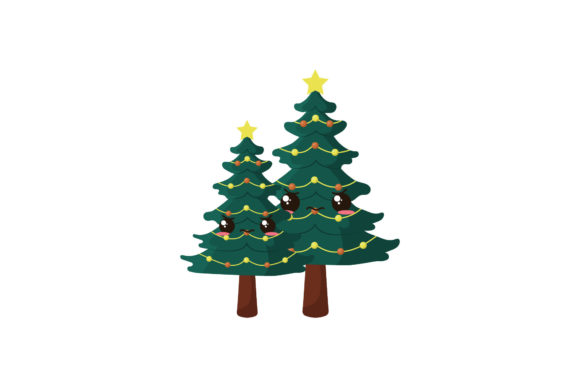
When you first load the Trees Christmas Decoration into your editing software, the immediate takeaway is its classic, timeless mood. Unlike some modern, abstract interpretations of holiday themes that can feel trendy but fleeting, this design leans into traditional aesthetics. The layout suggests a balanced composition, likely utilizing a mix of fill stitch for the body of the trees and perhaps satin stitch for outlines or decorative elements like ornaments or snow.
The visual personality here is warm and inviting. It feels appropriate for a wide demographic, from young families looking for nursery decor to adults seeking sophisticated holiday accents. As a designer, I appreciate when an embroidery file doesn't scream for attention but rather complements the fabric it sits on. The detail level appears moderate, which is often the sweet spot for durability. Overly dense designs can become stiff boards on soft fabrics, while too little detail gets lost. This design seems to strike a balance that suggests it was digitized with an understanding of thread flow and coverage.
Real-World Application: The Custom Tote Bag Scenario
To truly test the viability of any design, I mentally place it into a specific project scenario. Let's imagine a client order for a set of reusable grocery totes or gift bags for a local boutique. The Trees Christmas Decoration would be an excellent candidate here. Tote bags usually feature a canvas or heavy cotton blend, providing a stable base that can handle the stitch density required for a crisp tree silhouette.
In this context, the design acts as a focal point without overwhelming the utility of the bag. If the design includes varied thread colors, such as deep greens, golds, or whites, the contrast against a natural or black canvas would be striking. For an Etsy seller, this kind of versatility is gold. You aren't just selling a bag; you are selling a piece of holiday spirit. The design's structure implies it would stitch out cleanly on a 5x7 or 6x10 hoop size, making it efficient for batch production. However, before committing to a full run, I would strongly advise stitching a sample on scrap fabric of the exact same weight to check for registration issues.
Apparel and Textured Fabrics
Moving beyond accessories, let's consider custom apparel. A fleece sweatshirt or a flannel shirt is a staple of winter wardrobes. Here, the Trees Christmas Decoration needs to be evaluated differently. Fleece has a high pile, which can swallow up fine details. If this design relies heavily on tiny running stitch elements or very narrow satin columns, they might disappear into the texture of the fabric.
For a sweatshirt embroidery project, I would look closely at the underlay settings in the digitizing software. Good underlay is critical to prevent the fabric from puckering and to give the top stitches a platform to sit on. If the design is intended for stretchy knits, using a cut-away stabilizer is non-negotiable to maintain the shape of the trees after multiple washes. For a baby embroidery project, such as a onesie or a blanket, comfort is paramount. You must ensure there are no large, dense blocks of stitching that could feel scratchy against sensitive skin. In these cases, simplifying the fill or ensuring the edges are well-covered by satin stitching can make a huge difference in the tactile experience.
Technical Considerations and Potential Pitfalls
While the aesthetic appeal is strong, a professional reviewer must also play devil's advocate. Where might this design fail? One area of concern with many holiday-themed illustrations is the complexity of corners. Trees often have jagged edges or intricate branch details. If the Trees Christmas Decoration features sharp angles, you need to verify that the machine can navigate these turns without bird-nesting or thread breaks, especially at higher speeds.
Furthermore, consider the application on curved surfaces like caps. Embroidering on a cap requires a different approach than flat hooping. If the design is too wide or has elements that extend to the very edge of the maximum hoop capacity, it might distort when applied to the front panel of a hat. Similarly, dark fabrics present a challenge. If the design uses dark green threads on a navy background, the definition will be lost. Always test your thread color choices against the specific garment color. Sometimes, adding a light-colored underlay or choosing a slightly lighter shade of green can provide the necessary pop.
Commercial Viability and Brand Consistency
For craft business owners and digital product sellers, consistency is key to building trust. If you plan to use Trees Christmas Decoration across a line of products—say, matching pillow covers, tea towels, and aprons—the design must reproduce reliably every time. Inconsistent stitching quality can damage a brand's reputation quickly.
This design fits well into the realm of holiday embroidery that feels premium rather than cheap. It avoids the cluttered look of low-quality clipart converted to stitches. By maintaining clean lines and thoughtful color separation, it elevates the perceived value of the handmade product. Whether you are creating a personalized gift for a family member or stock for a craft fair, the professionalism of the stitch-out reflects directly on your skill level.
Final Verdict and Designer Notes
After weighing the visual charm against practical constraints, the Trees Christmas Decoration stands out as a versatile asset for the holiday season. It bridges the gap between decorative art and functional design. However, success lies in the preparation. Before launching this into a commercial workflow, adhere to these practical steps:
- Test on Scrap: Never skip the test stitch on the actual fabric you intend to use. Fabric texture changes everything.
- Check Licensing: Confirm the license terms associated with the digital embroidery file. Ensure you have the rights for commercial use if you plan to sell finished items.
- Stabilizer Selection: Match your stabilizer to the fabric. Water-soluble for towels, cut-away for knits, and tear-away for stable wovens.
- Color Contrast: View your design in black and white mode on your screen to check value contrast. If it looks muddy in grayscale, it will look muddy in thread.
- Hoop Compatibility: Verify the required hoop size against your machine's capabilities, especially if working with smaller home machines.
In conclusion, this design offers a solid foundation for a variety of embroidery projects. It respects the medium of thread and needle, offering a result that feels intentional and crafted. For the small shop product lineup or the serious hobbyist, it represents a safe yet stylish choice that can drive engagement and sales during the festive rush. Just remember, the best design is only as good as its execution, so take the time to refine your setup and let the quality of your work speak for itself.