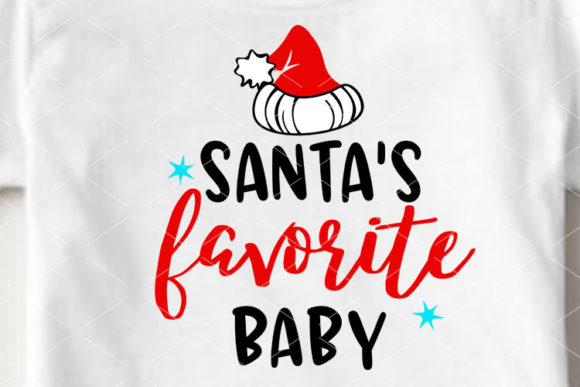
Santa's Favorite Baby Shirt: A Designer's Review
As someone who spends more time staring at stitch simulations than most people spend watching television, I approach every new machine embroidery design with a mix of excitement and skepticism. We've all been there: you download a cute file, load it onto your machine, and halfway through the run, you realize the density is going to turn your soft baby onesie into a cardboard shield. That is why I took a close look at Santas Favorite Baby Christmas Shirt Art before committing it to a client project. This isn't just about whether the image is cute; it's about whether it translates effectively from a digital screen to a tangible, wearable finished product.
My first impression of this piece, which falls squarely into the Illustrations category, was that it captures a specific kind of holiday whimsy without feeling cluttered. In the world of baby embroidery, less is often more. Babies move, they squirm, and their clothes get washed approximately twelve times a week. A design that relies on thousands of tiny, disconnected running stitches or overly complex shading often degrades quickly under that kind of stress. However, the layout of Santas Favorite Baby Christmas Shirt Art suggests a thoughtful balance between detail and durability. The visual personality feels warm and inviting, perfectly suited for the "first Christmas" market that dominates boutique sales every November and December.
Real-World Application: The Holiday Boutique Rush
To truly test the viability of this design, I imagined a real-life scenario that many Etsy sellers and craft business owners face right now: the rush to create custom apparel for a local boutique. Picture this: a customer wants a matching set for a newborn and a toddler. They want something that looks professional but feels soft against sensitive skin. This is where Santas Favorite Baby Christmas Shirt Art shines as a potential candidate for custom apparel.
If I were stitching this onto a high-quality cotton blend sweatshirt or a structured tote bag, the design holds its own. The shapes appear distinct enough to handle standard fill stitch techniques without losing definition. For a sweatshirt embroidery project, the scale seems appropriate for a left-chest placement or a centered front graphic. It doesn't scream for attention in an aggressive way; instead, it offers a charming focal point that elevates a plain garment into a handmade product worth paying a premium for. When customers see a clean, well-executed design like this, it builds immediate trust in your brand consistency and professionalism.
Navigating Fabric Challenges and Stitch Density
However, no design is universal, and practical judgment requires knowing where to draw the line. While Santas Favorite Baby Christmas Shirt Art works beautifully on stable fabrics like twill, canvas, or medium-weight cotton, caution is needed when moving to trickier materials. If you are planning to use this for holiday embroidery on stretchy knits or thin muslin, you must pay close attention to your stabilizer choice. The density of the artwork, while visually appealing, could cause puckering if the backing isn't robust enough to support the weight of the thread.
Furthermore, consider the hoop size constraints. If you are adapting this for smaller items like sock cuffs, bibs, or embroidered patch blanks, you need to verify the minimum dimensions. Shrinking an illustration too much can turn crisp lines into a muddy mess of thread. Tiny details that look sharp on your monitor might merge together when stitched out at two inches wide. I always recommend running a test stitch-out on scrap fabric of the same weight and texture as your final material. This simple step saves you from ruining expensive blanks and ensures that the thread colors provide enough contrast to make the design pop, especially if you are working on dark fabrics where visibility is key.
Commercial Viability and Customer Appeal
For the small shop product creator, the commercial potential of this design lies in its versatility. It fits naturally into several niches beyond just baby shirts. Imagine this design applied to a kitchen towel as a hostess gift, or perhaps on a pillow cover for seasonal nursery decor. The theme is specific enough to be recognizable as Christmas but general enough to appeal to a broad audience. This broad appeal is crucial for digital embroidery file sellers and those creating physical goods for craft fairs.
When evaluating the visual appeal, think about the end-user experience. A parent receiving a gift with this design expects quality. If the satin stitch borders are smooth and the fill areas are uniform, the perceived value of the item skyrockets. Conversely, if the design causes the fabric to pucker or the threads to break frequently during production, it hurts your reputation. Santas Favorite Baby Christmas Shirt Art appears to have the structural integrity to support high-volume production, provided the machine settings are dialed in correctly.
Final Thoughts for the Practical Designer
In conclusion, incorporating Santas Favorite Baby Christmas Shirt Art into your workflow requires the same diligence you would apply to any other asset. It is a strong contender for personalized gift lines and commercial embroidery projects alike, offering a festive touch that resonates with buyers. However, success depends on execution. Always check the specific license terms before selling finished items or using the file in digital mockups. Verify the recommended stitch count and format compatibility with your specific machine model, as these details vary by vendor.
Take the time to test different thread colors; sometimes swapping a traditional red for a deep burgundy or a bright green for a sage can modernize the look and make your printable mockup stand out in a crowded social media feed. Whether you are decorating a cap, a tote, or a delicate baby gown, let the quality of your stitching do the talking. With the right preparation and a keen eye for detail, this illustration can become a staple in your holiday collection, driving engagement and delighting customers who appreciate the care put into every stitch.